Recommended Videos
Independent educational content from safety agencies, training providers, and engineering educators.
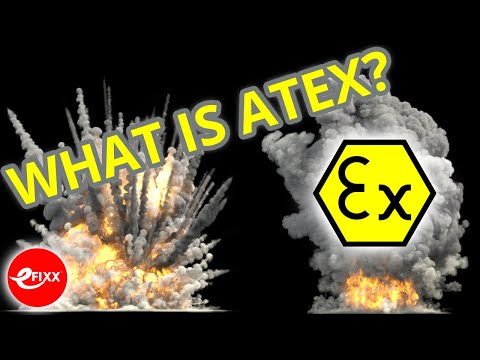
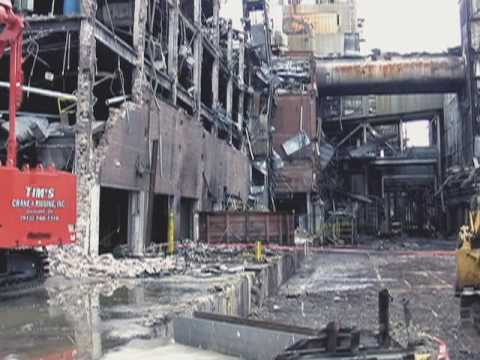

Essential concepts from IEC 60079, ATEX, and IECEx — condensed from standards documents into a practical engineering reference.
Each topic is self-contained but cross-referenced. Start with the most relevant section, or read front to back for a complete overview.
The fire triangle. Explosive atmospheres. Thirteen ways something can go wrong, and three layers that stop it. If you read one page, make it this one.
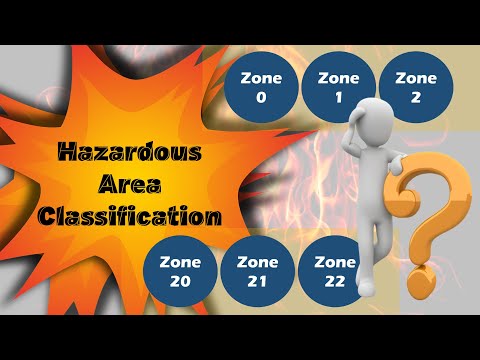
Start hereZones 0, 1, 2 for gas. Zones 20, 21, 22 for dust. How the classification gets done, where people get it wrong, and why it drives every other decision.
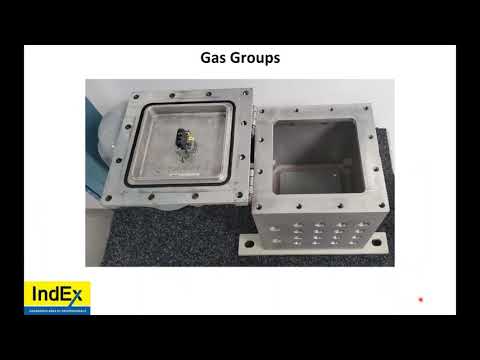
IIA, IIB, IIC. What makes hydrogen different from propane at the molecular level, how MESG works, and the hierarchy rule that simplifies everything.
T1 through T6. Auto-ignition temperatures. Why carbon disulphide is more trouble than hydrogen, and what changes when dust layers are involved.
Every Ex type in one place. Flameproof, intrinsic safety, increased safety, pressurization, encapsulation — how each one works and when you'd pick it.
Most detailedGa, Gb, Gc. Da, Db, Dc. The bridge between zone classification and equipment selection. How many faults you can tolerate before things get dangerous.
That cryptic string on the nameplate? Every letter and number means something. Five real markings, decoded piece by piece.
IEC 60079. ATEX 2014/34/EU. NEC 500/505. How the same physics is governed by different regulatory frameworks depending on the region.
Notified Bodies, IECEx certificates, ExTR test reports, quality audits. The people and the process behind the stamp on your equipment.
Cable glands, clearances, the three inspection grades, and the most common installation errors per IEC 60079-14 and 60079-17.
Six questions. One decision tree. Cost ranges, timeline estimates, and the practical detail not covered in the standards.
Quick refCommon questions about ATEX, IECEx, zone classification, and certification — answered plainly.
ReferencePractical deep dives for engineers working in hazardous areas.
Independent educational content from safety agencies, training providers, and engineering educators.
Monthly explosion protection industry news, standards updates, and practical guides. No spam.
Are you an Ex protection expert? We welcome contributions from engineers, inspectors, and trainers working in hazardous areas.