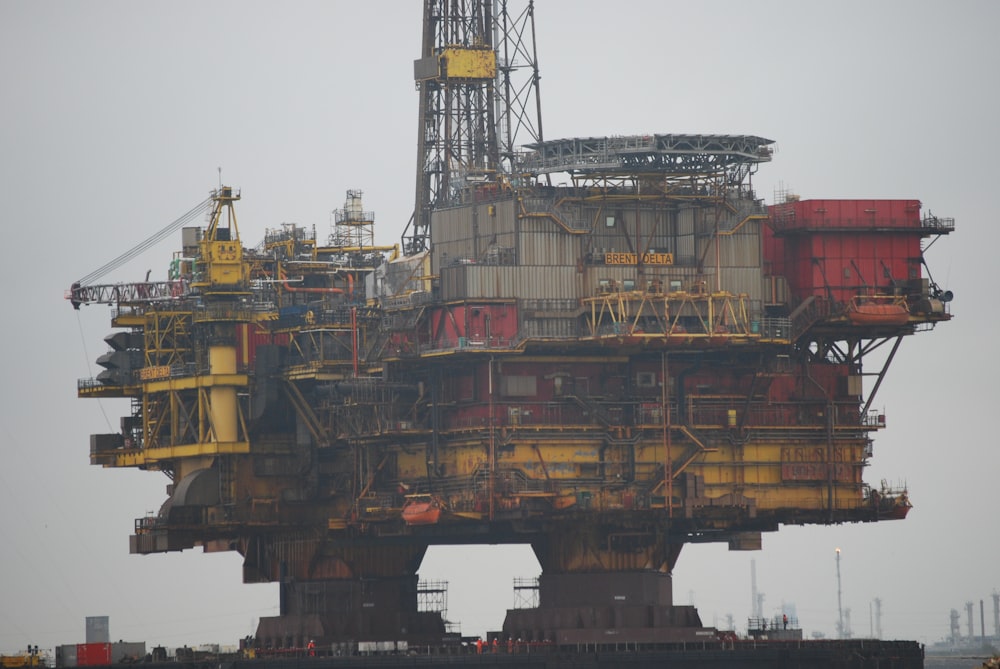
Grondbeginselen van explosiebeveiliging
De explosiedriehoek
Voor een explosie moeten er drie dingen tegelijkertijd aanwezig zijn:
- Brandstof: ontvlambaar gas, damp, nevel of brandbaar stof
- Oxidatiemiddel: zuurstof in de lucht (≥21% O₂)
- Ontstekingsbron: voldoende energie om het mengsel aan te steken
Haal een van de drie weg en er gebeurt niets. Elke beschermingsstrategie werkt door er minstens één te verwijderen.
Wat is een explosieve atmosfeer?
Een mengsel van lucht en brandbaar materiaal (gas, damp, nevel of stof) dat kan ontsteken. De concentratie moet tussen twee grenzen liggen:
- LEL (Lower Explosive Limit), minimumconcentratie voor ontsteking
- UEL (Upper Explosive Limit), maximale concentratie (te rijk om te verbranden)
Tussen LEL en UEL bevindt het mengsel zich binnen zijn explosief bereik.
Voorbeelden van LEL/UEL
| Substantie | LEL (% vol) | UEL (% vol) |
|---|---|---|
| Methaan | 4.4 | 17.0 |
| Propaan | 1.7 | 10.9 |
| Waterstof | 4.0 | 77.0 |
| Acetyleen | 2.3 | 100.0 |
| Ethanoldamp | 3.1 | 27.7 |
Waterstof valt hier op. Dat bereik van 4-77% is enorm vergeleken met al het andere op deze lijst, en dat is een van de redenen waarom het zijn eigen gasgroep (IIC) krijgt.
Soorten gevaarlijke stoffen
Gassen en dampen
Brandbare gassen (methaan, waterstof, propaan) en dampen van brandbare vloeistoffen (benzine, oplosmiddelen, alcoholen). Ingedeeld in gasgroepen (IIA, IIB, IIC) op basis van hun ontstekingseigenschappen.
Nevels
Fijne druppeltjes brandbare vloeistoffen. Het lastige: een mist kan een explosieve atmosfeer vormen, zelfs als de vloeistof zich onder het vlampunt bevindt. Dit wordt meer dan nodig gemist in de gevarenbeoordelingen.
Stof
Brandbaar stof van organische materialen (graan, suiker, hout, steenkool), metalen (aluminium, magnesium) en synthetische materialen (kunststoffen, farmaceutische producten). Ingedeeld in stofgroepen (IIIA, IIIB, IIIC).
De deeltjes moeten fijn genoeg zijn om in de lucht te blijven (minder dan ~500 μm). Eén ding vergeten mensen: een stoflaag op een heet oppervlak kan bij een lagere temperatuur ontbranden dan hetzelfde stof als een wolk.
Ontstekingsbronnen
IEC/EN 60079-0 en EN 1127-1 identificeren 13 potentiële ontstekingsbronnen:
- Hete oppervlakken
- Vlammen en hete gassen
- Mechanisch gegenereerde vonken
- Elektrische uitrusting (vonken, bogen)
- Elektrische zwerfstromen, kathodische corrosiebescherming
- Statische elektriciteit
- Bliksem
- Elektromagnetische velden (RF, 9 kHz – 300 GHz)
- Elektromagnetische straling (optisch bereik, 300 GHz – 3×10⁶ GHz)
- Ioniserende straling
- Ultrasoon
- Adiabatische compressie, schokgolven
- Exotherme reacties (inclusief zelfontbranding van stof)
Het doel is om te voorkomen dat deze ‘effectief’ worden – wat betekent dat ze voldoende energie hebben om het specifieke aanwezige mengsel te ontsteken.
De drie beschermingsprincipes
De hiërarchie is belangrijk:
1. Primaire bescherming. Voorkom vorming
Voorkom in de eerste plaats dat de explosieve atmosfeer ontstaat:
- Vervanging (gebruik niet-brandbare materialen)
- Ventilatie (verdunnen onder LEL)
- Inert maken (zuurstof vervangen door stikstof of CO₂)
- Concentratiebewaking met automatische uitschakeling
2. Secundaire bescherming. Ontsteking voorkomen
Neem aan dat er zich een explosieve atmosfeer zal vormen; ontstekingsbronnen voorkomen:
- Gebruik gecertificeerde Ex-apparatuur (zie beschermingsmethoden)
- Proper zoneclassificatie uitrusting afstemmen op risico
- Aarding en verbinding om statische ontlading te voorkomen
- Heetwerkvergunningen en -procedures
3. Tertiaire bescherming. Effecten beperken
Neem aan dat er ontsteking plaatsvindt; de explosie beperken en beperken:
- Explosieveilige constructie
- Explosieontluchting
- Explosieonderdrukkingssystemen
- Explosie-isolatie (vlamdovers, snelwerkende kleppen)
Belangrijkste terminologie
| Termijn | Definitie |
|---|---|
| Bijvoorbeeld | Afkorting voor explosiebeveiliging (van "Explosionsschutz") |
| ATEX | Uit het Franse "ATmosphères EXplosibles". EU-richtlijnkader |
| IECEx | Systeem van de Internationale Elektrotechnische Commissie voor Ex-certificering |
| Gevaarlijk gebied | Locatie waar een explosieve atmosfeer kan ontstaan |
| Zone | Classificatie van de gevaarlijke omgeving op basis van de waarschijnlijkheid van een explosieve atmosfeer |
| EPL | Beschermingsniveau uitrusting: Ga, Gb, Gc, Da, Db, Dc |
| Type bescherming | Technische methode om ontsteking te voorkomen (Ex d, Ex e, Ex i, etc.) |
| Gasgroep | Classificatie van gassen op basis van ontstekingseigenschappen (IIA, IIB, IIC) |
| Temperatuurklasse | Maximale oppervlaktetemperatuur van apparatuur (T1–T6) |
| Aangemelde instantie | Door de EU aangewezen organisatie die bevoegd is om ATEX-apparatuur te certificeren |
| ExCB | IECEx-certificeringsinstantie |
| ExTL | IECEx-testlaboratorium |
Stofzoneclassificatie (IEC 60079-10-2)
| Zone | Definitie |
|---|---|
| Zone 20 | Explosieve stofwolk voortdurend of frequent aanwezig |
| Zone 21 | Explosieve stofwolk waarschijnlijk tijdens normaal bedrijf |
| Zone 22 | Explosieve stofwolk niet waarschijnlijk; slechts kortstondig als het |
voorkomt Zie voor volledige zonedetails, inclusief methodologie en voorbeelden Zoneclassificatie.
Gerelateerde bestanden
- Zoneclassificatie: hoe gebieden worden geclassificeerd
- Gasgroepen: hoe brandstoffen worden gecategoriseerd
- Temperatuurklassen: maximale oppervlaktetemperaturen
- Beschermingsmethoden: hoe apparatuur veilig wordt gemaakt
- Normen: het regelgevingskader
- Cheatsheet: beknopte handleiding