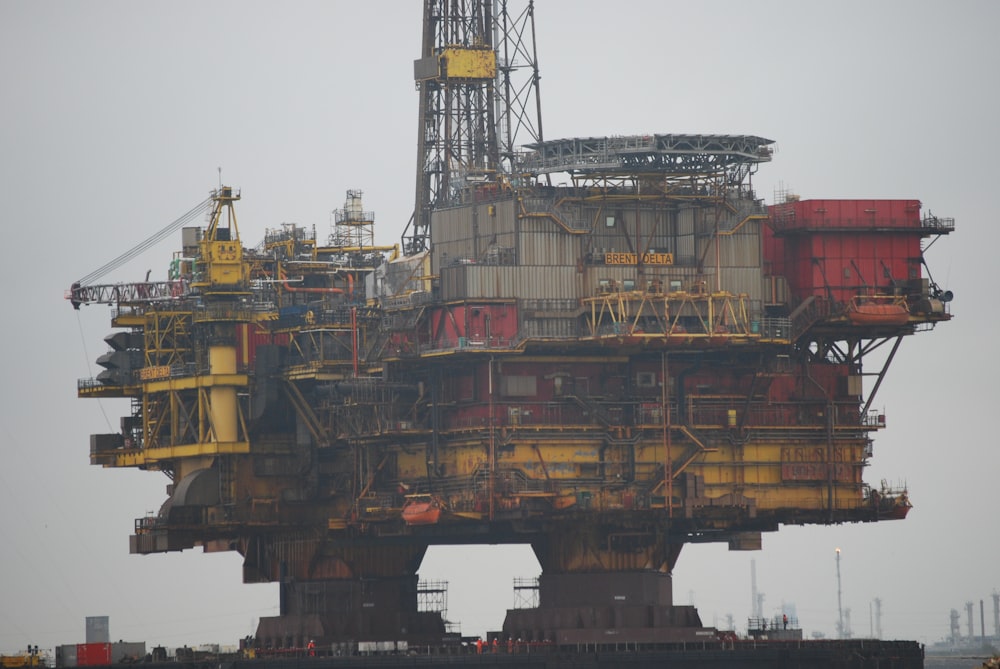
Fundamentos de la protección contra explosiones
El triángulo de la explosión
Tres elementos deben estar presentes simultáneamente para que ocurra una explosión:
- Combustible: gas inflamable, vapor, niebla o polvo combustible
- Oxidante: oxígeno en el aire (≥21% O₂)
- Fuente de ignición: energía suficiente para encender la mezcla
Si se elimina cualquiera de los tres, no ocurre nada. Toda estrategia de protección funciona eliminando al menos uno.
¿Qué es una atmósfera explosiva?
Una mezcla de aire y material inflamable (gas, vapor, niebla o polvo) que puede ser encendida. La concentración debe estar entre dos límites:
- LIE (Límite Inferior de Explosividad), concentración mínima para la ignición
- LSE (Límite Superior de Explosividad), concentración máxima (demasiado rica para arder)
Entre el LIE y el LSE, la mezcla se encuentra dentro de su rango explosivo.
Ejemplos de LIE/LSE
| Sustancia | LIE (% vol) | LSE (% vol) |
|---|---|---|
| Metano | 4,4 | 17,0 |
| Propano | 1,7 | 10,9 |
| Hidrógeno | 4,0 | 77,0 |
| Acetileno | 2,3 | 100,0 |
| Vapor de etanol | 3,1 | 27,7 |
El hidrógeno destaca aquí. Ese rango de 4-77% es enorme comparado con todo lo demás en esta lista, lo cual es parte de la razón por la que tiene su propio grupo de gas (IIC).
Tipos de sustancias peligrosas
Gases y vapores
Gases inflamables (metano, hidrógeno, propano) y vapores de líquidos inflamables (gasolina, disolventes, alcoholes). Se clasifican en grupos de gas (IIA, IIB, IIC) según sus propiedades de ignición.
Nieblas
Gotas finas de líquidos inflamables. Lo complicado es que una niebla puede formar una atmósfera explosiva incluso cuando el líquido está por debajo de su punto de inflamación. Esto se pasa por alto en las evaluaciones de riesgo más de lo que debería.
Polvos
Polvos combustibles de materiales orgánicos (grano, azúcar, madera, carbón), metales (aluminio, magnesio) y materiales sintéticos (plásticos, farmacéuticos). Se clasifican en grupos de polvo (IIIA, IIIB, IIIC).
Las partículas deben ser lo suficientemente finas para permanecer en suspensión (menos de ~500 μm). Algo que la gente olvida: una capa de polvo sobre una superficie caliente puede encenderse a menor temperatura que el mismo polvo en forma de nube.
Fuentes de ignición
IEC/EN 60079-0 y EN 1127-1 identifican 13 fuentes potenciales de ignición:
- Superficies calientes
- Llamas y gases calientes
- Chispas generadas mecánicamente
- Equipos eléctricos (chispas, arcos)
- Corrientes eléctricas vagabundas, protección catódica contra la corrosión
- Electricidad estática
- Rayos
- Campos electromagnéticos (RF, 9 kHz – 300 GHz)
- Radiación electromagnética (rango óptico, 300 GHz – 3×10⁶ GHz)
- Radiación ionizante
- Ultrasonidos
- Compresión adiabática, ondas de choque
- Reacciones exotérmicas (incluida la autoignición de polvos)
El objetivo es evitar que cualquiera de estas se convierta en una fuente "efectiva", es decir, que tenga energía suficiente para encender la mezcla específica presente.
Los tres principios de protección
La jerarquía importa:
1. Protección primaria. Prevenir la formación
Evitar que se forme la atmósfera explosiva en primer lugar:
- Sustitución (usar materiales no inflamables)
- Ventilación (diluir por debajo del LIE)
- Inertización (reemplazar el oxígeno con nitrógeno o CO₂)
- Monitoreo de concentración con parada automática
2. Protección secundaria. Prevenir la ignición
Asumir que la atmósfera explosiva se formará; prevenir las fuentes de ignición:
- Usar equipos Ex certificados (ver métodos de protección)
- Clasificación de zonas adecuada para adaptar el equipo al riesgo
- Puesta a tierra y equipotencialización para prevenir descargas estáticas
- Permisos y procedimientos de trabajo en caliente
3. Protección terciaria. Limitar los efectos
Asumir que ocurre la ignición; contener y mitigar la explosión:
- Construcción resistente a explosiones
- Venteo de alivio de explosiones
- Sistemas de supresión de explosiones
- Aislamiento de explosiones (arrestallamas, válvulas de acción rápida)
Terminología clave
| Término | Definición |
|---|---|
| Ex | Abreviatura de protección contra explosiones (del alemán "Explosionsschutz") |
| ATEX | Del francés "ATmosphères EXplosibles", marco de directivas de la UE |
| IECEx | Sistema de la Comisión Electrotécnica Internacional para la certificación Ex |
| Área peligrosa | Ubicación donde puede producirse una atmósfera explosiva |
| Zona | Clasificación del área peligrosa según la probabilidad de atmósfera explosiva |
| EPL | Nivel de Protección del Equipo: Ga, Gb, Gc, Da, Db, Dc |
| Modo de protección | Método técnico utilizado para prevenir la ignición (Ex d, Ex e, Ex i, etc.) |
| Grupo de gas | Clasificación de gases por propiedades de ignición (IIA, IIB, IIC) |
| Clase de temperatura | Temperatura máxima de superficie del equipo (T1–T6) |
| Organismo Notificado | Organización designada por la UE autorizada para certificar equipos ATEX |
| ExCB | Organismo de Certificación IECEx |
| ExTL | Laboratorio de Ensayo IECEx |
Clasificación de zonas de polvo (IEC 60079-10-2)
| Zona | Definición |
|---|---|
| Zona 20 | Nube de polvo explosiva presente de forma continua o frecuente |
| Zona 21 | Nube de polvo explosiva probable durante la operación normal |
| Zona 22 | Nube de polvo explosiva improbable; solo brevemente si ocurre |
Para todos los detalles sobre zonas, incluyendo metodología y ejemplos, consulte Clasificación de zonas.
Secciones relacionadas
- Clasificación de zonas: cómo se clasifican las áreas
- Grupos de gas: cómo se categorizan los combustibles
- Clases de temperatura: temperaturas máximas de superficie
- Métodos de protección: cómo se hace seguro el equipo
- Normas: el marco regulatorio
- Guía rápida: guía de referencia rápida